
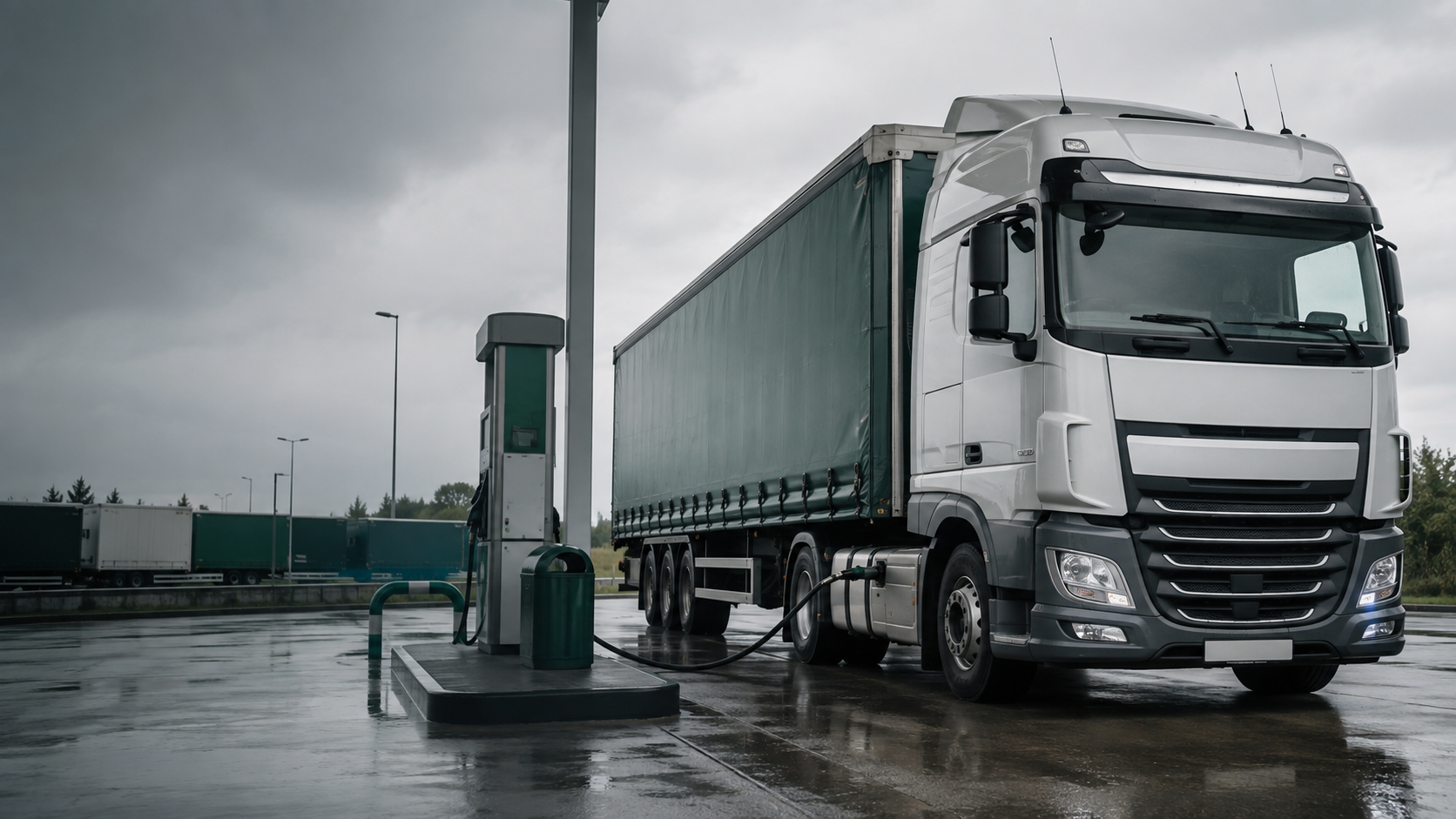
Just as diesel prices have started to settle, Irish hauliers are facing another round of increases.
This time, the concern is not only the international oil market. The Government has confirmed that temporary reductions in diesel taxes will begin to unwind from 1 September 2026.
Under the current schedule, the tax added back onto diesel is expected to increase by:
- 10 cent per litre from 1 September
- A further 8 cent from 1 October
- A further 7 cent from 1 November
- A further 7 cent from 1 December
That is a potential total increase of 32 cent per litre by December, if the scheduled tax increases are passed on fully at the pump.
The changes are part of the Government’s plan to gradually withdraw the temporary fuel supports introduced during the sharp price increases earlier this year. The full reductions remain in place until the end of August, but they are not currently intended to continue permanently.
The complete schedule is available in the Government’s excise and NORA reduction announcement.
What could this cost a haulier?
Most hauliers will not pay the standard advertised forecourt price.
Commercial fuel cards and supply agreements through providers such as Morgan Fuels, Applegreen, Circle K and DCI can offer different weekly rates based on purchasing volume, routes and individual agreements. Operators with fuel stored in their own yards may also secure bulk-buying rates.
However, commercial rates still respond to changes in wholesale prices and fuel taxation.
If the full scheduled 32-cent increase were reflected in an operator’s price, the difference would be significant:
- 10,000 litres would cost an additional €3,200
- 20,000 litres would cost an additional €6,400
- 50,000 litres would cost an additional €16,000
The actual amount paid will depend on the supplier, timing and commercial agreement involved. However, better fuel-card pricing can soften the impact; it cannot completely avoid a tax increase applied to the underlying fuel.
Why else are diesel prices under pressure?
The scheduled tax increases are only one part of the picture.
Diesel prices are also affected by international crude-oil prices, the euro-dollar exchange rate, shipping disruption and the availability of refining capacity.
Recent disruption affecting refineries and fuel exports in the Middle East and Russia has placed particular pressure on European diesel supplies. Reuters reported that unusually high refining margins have contributed to rising European fuel costs, even where crude oil remains available.
This means prices could be affected by two separate pressures: changes in the international market and the gradual return of Irish fuel taxes. Reuters reported on the pressure from European refining margins in July 2026.
What support is still available?
The main ongoing support for qualifying hauliers is the Diesel Rebate Scheme.
The maximum rebate was temporarily increased from 7.5 cent to 12 cent per litre for qualifying diesel purchased between 1 January and 30 September 2026.
Revenue has confirmed that the maximum rate is currently due to return to 7.5 cent per litre from 1 October.
That timing matters. From October, hauliers could face both:
- An additional 8-cent tax increase on diesel
- A 4.5-cent reduction in the maximum available rebate
For an operator claiming on 20,000 qualifying litres, the difference between a 12-cent rebate and a 7.5-cent rebate is €900.
Revenue calculates the actual quarterly rebate using the national average diesel price. Operators must meet the scheme’s eligibility requirements and keep the necessary fuel-purchase and vehicle records. Current rates are published in Revenue’s Diesel Rebate Scheme guidance.
The separate €120 million Road Transporters Support Scheme, introduced earlier this year, has now closed to new applications. No permanent replacement has been announced.
What has the Government said?
The Government’s position is that the fuel-tax reductions were temporary emergency measures.
It extended the full reductions until the end of August and chose to restore the taxes in stages between September and December. The stated aim is to avoid one sudden “cliff-edge” increase while gradually returning fuel taxes to their normal levels.
The Government has said it will continue monitoring international energy prices. However, unless another decision is announced, both the tax increases and the reduction in the enhanced Diesel Rebate Scheme remain scheduled to begin this autumn.
The Irish Road Haulage Association has argued that the supports should not be withdrawn while diesel markets remain volatile. Its concern is that increasing costs will not stop with transport operators—they will eventually affect the price of moving goods throughout Ireland.
What can operators do now?
Hauliers cannot control tax policy or international oil markets, but they can prepare for the scheduled changes by:
- Comparing commercial fuel-card and bulk rates
- Reviewing customer fuel-surcharge arrangements
- Monitoring cost per litre and fuel use by vehicle
- Keeping fuel invoices and card statements organised
- Factoring the scheduled increases into future quotes
- Checking Diesel Rebate Scheme eligibility
- Submitting rebate claims within the required deadlines
The increases may be phased, but the cost will still add up quickly across a working fleet.
SkyWard Ops offers ad hoc administrative support with Diesel Rebate Scheme claims, including organising purchase records, checking vehicle information and preparing the information required for processing.
For help getting a diesel rebate claim in order, contact SkyWard Ops.
Sources and further information
- Government announcement on the fuel-support package — details of the temporary diesel excise reduction.
- Revenue: Diesel Rebate Scheme rates — confirms the 12-cent maximum rebate until 30 September 2026 and the scheduled return to 7.5 cent from 1 October.
- Department of Transport: Road Transporters Support Scheme — information on the €120 million scheme, eligibility and vehicle payment rates.
- European Central Bank: How fuel prices are formed — explains the effect of crude-oil prices, refining capacity and unusually high refining margins.
- Reuters: Refining margins and European fuel prices — reporting on the international pressures affecting European diesel prices.